(773 words)
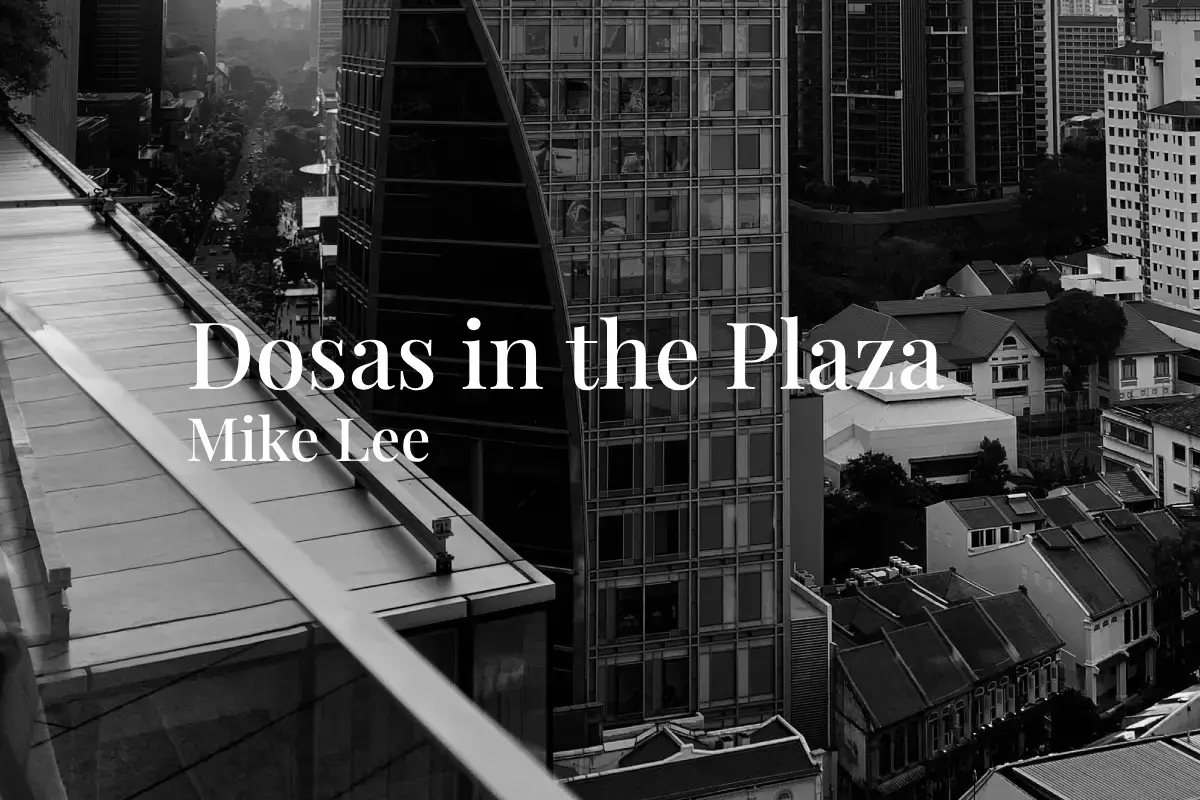
“Looks like there is going to be trouble in paradise.” Frank leaned over the rooftop railing, eyes unfocused on the opposing shore, trying to avoid thinking. Avoiding judgment. Pretending to ignore the problematic situation he saw ahead. Maybe it would go away on its own. Frank knew better. He had to act.
Not immediately or tomorrow. The situation in play was still in its early stages, formless now yet taking shape later. Maybe Leila sends a message. Perhaps not.
Frank focused on a couple holding hands on a balcony across the street. He watched as they kissed. The woman had black hair in a pixie cut and a pale complexion. The man wore his brown hair shoulder-length, his face unshaven.
Frank viewed the couple as dolls in a puppet romance from this distance. Movement of hands, mouths, and heads turning in embraces. He sensed something mechanical about their movements—role play.
The cell phone buzzed in his pants pocket. Frank checked his watch to see who contacted him.
He thought briefly of responding but decided to let it go for a while.
“Always trouble in paradise.” Frank firmly placed his hands on the railing. “If there is such a place as such.”
Slowly, Leila pushed her car key into the screen door next to the hook and carefully cut a slit. After unhooking, she walked in and put her bag on his dresser. Her fingers and wrists shaking, Leila unbuttoned her green plaid vintage dress.
The dress dropped to the carpet before she slid silently under the covers and lay next to the boy she wanted to fuck since they met at the Crown and Anchor the previous Wednesday.
She shivered. Leila was often daring, but she felt this was a bad idea. She had them on occasion, yet she wanted to know.–play into the male fantasy of the mysterious woman met while shooting eight-ball over pitchers of Bass Ale.
Leila waited deeply pensive for the response.
She moved her hand gently over the sheet. The fabric was damp from night sweats in the summer heat.
Leila slipped her hand over his.
Frank stirred and opened his fingers so Leila could slide hers between them. “I stayed awake, knowing you would come.”
Later, they slept. Dreamed.
No mourners were present at the funeral; only the professional pallbearers, the priest, and a teenage girl serving.
Frank sat in the middle left pew, witnessing a soul pass without anyone but God’s grace and a stranger burdened by personal history.
He had already found the letter, now lying unfolded next to him. As the text message instructed, Frank found it taped under the bowl of the baptismal font near the Confessional.
There was silence except for the priest reading the liturgies, the homily, and some words for the deceased—a recent immigrant, friendless, who had no family able to come or the means to have his body repatriated. At Communion, Frank received the wafer in his hands. He returned to his pew and slid the note into his jacket pocket. At the end of the service, after the pallbearers carried the casket past his pew, Frank rose and shook hands with the priest.
“I want to thank you for coming here,” he said. “To stand witness for one of your people.”
“It’s always an honor, though I work on the bitterness.”
“I understand this is hard.” The priest patted Frank’s jacket.” I saw her. I wish you well.”
Frank sat beside Leila on a weathered marble bench in the plaza. An aged ombú tree provided shade. Between them, on paper napkins, was a box lunch from the food cart on the plaza corner: a South Indian breakfast, fluffy idlis, and paper dosas with chutney and sambar.
Leila wore a white tea dress and strappy espadrilles. She dyed her hair black and wore round, frameless glasses. Frank could not help but stare at her arms. They were so thin.
Frank sat burdened by a mountain of guilt based on memory and fantasy. He could have saved her.
Leila wiped a corner of her mouth with her thumb.
“Don’t.”
“Don’t what?”
“Feel responsible about what was done to me. The arrest. The camp. All of it. There was nothing you could do.”
She sighed. “If you could save me, I would be on this bench speaking to a ghost. There’s something you can do. Lots of do’s. This food. The tree. The sun. You. Me.”
Leila paused. She leaned closer to Frank and brushed a lock of his hair. “Us.”
Frank held up his palm, he spread his fingers.
“You should see the view from my roof.”
.
THE END
Bio
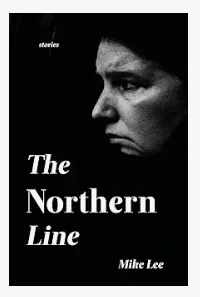
Mike Lee is a writer and editor at a trade union in New York City. His work appears in or is forthcoming in Wallstrait, Bristol Noir, The Opiate, Roi Faineant, Brussels Review, Brilliant Flash Fiction, BULL, Drunk Monkeys, and many others. His story collection, The Northern Line, is available on Amazon.
- Night Shift Politics by Michael Wegener
- Shangri-La by Robert M. Ingram
- Pauli by Matt Gossman
- The Butterfly Collector by Eamonn Furey
- Intoxication by Lynda Williams
Out Now
A young man returns to his hometown to mourn the reasons he left. An abused spouse copes with a lifetime of bullying in identifying with the lead character from an independent film. A political prisoner is snatched from a firing squad to find himself exiled in an obscure land. A family flees the Dust Bowl of the 1930s, using magic as a tool to survive.
The Northern Line is a collection of stories about dreamers of what was mislaid, lost souls seeking redemption, sudden opportunities and missed chances. The stories are of people grappling with a world of unexpected changes, striving for stability in uncertain, and often surreal, times.