(1000 words)
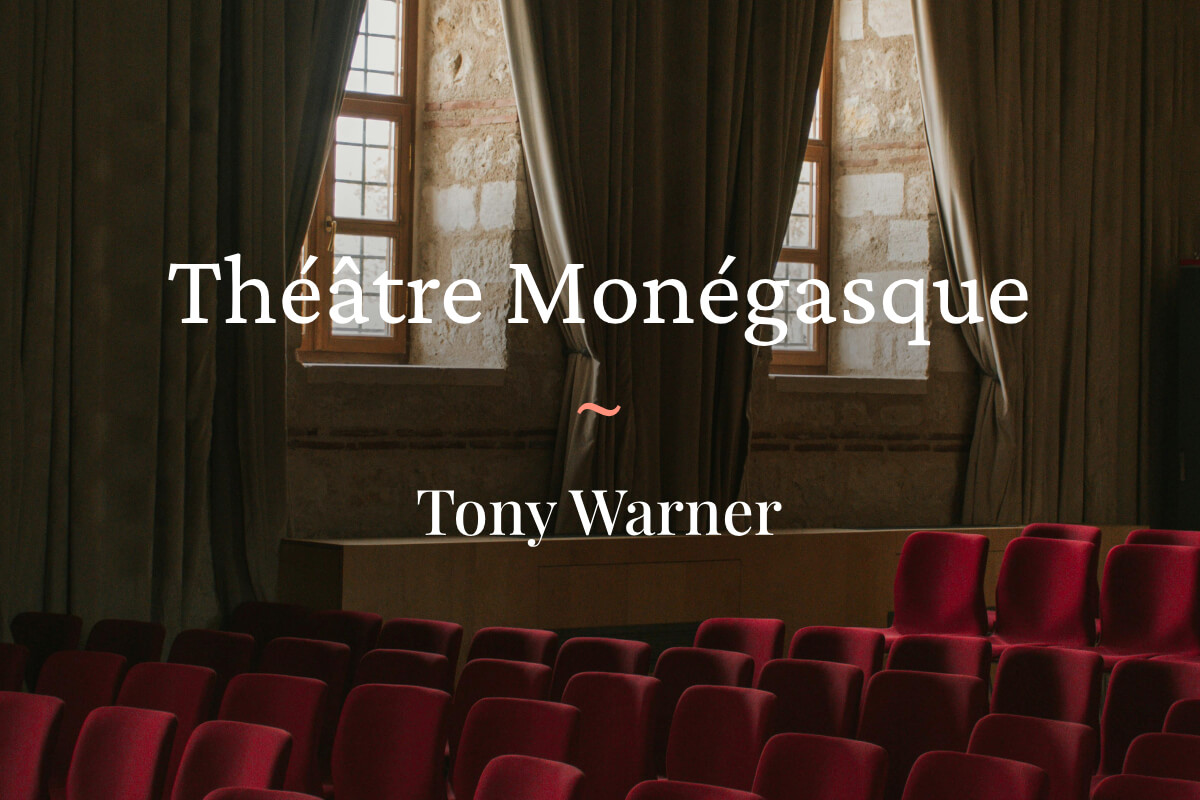
Reverentially, the audience shuffles into the auditorium, taking their places on the plush seats. Seats which are made deliberately shallow, forcing the occupants to sit up straight like attentive schoolchildren. Tonight’s performance is segregated, men to the right, women to the left. There is a strict dress code, the men in dark suits, white shirts and black ties; women in sombre dresses, trousers for them being strictly forbidden.
Performances are rare, taking place on the last day of each month. This being October, the event is particularly notable, as are the spectacular ticket prices. Although attendance is by invitation only, there is a thriving trade in black market sales, covertly encouraged by the management.
Who appear in the form of a young woman in a flowing black evening gown, to announce tonight’s entertainment. Behind her, stage hands wheel on two trolleys, a lottery wheel on each. Tonight here will be two prizes instead of the normal one. The wheels are spun, bringing up a seat row and number. A man in his fifties stands, progresses to the stage, hands reaching out along the way to grasp his.
The second prize winner is a young woman, daringly dressed in a low-cut chiffon blouse. She wears no make-up, her obvious youth obviating its enhancement. No hands reach out to from her female companions. Men mutter behind cupped hands.
The compere welcomes them, hands each a script, which they leaf through hurriedly as the actors file onto the stage. All turn and bow to the audience before retreating behind the curtain. A small orchestra plays soothing music, dying into silence as the curtains open once more.
The play begins. While the actors have their parts off pat, the selected audience members follow from their scripts, making their words and movements mechanical. Older and obviously more confident, the man proclaims his lines well, projecting out into the auditorium. The woman mumbles her way along, becoming progressively less assured as rumbles of discontent filter up from the audience. At one point she totally misses her cue, causing part of the play to be repeated. There is much coughing and shuffling of the feet from the audience.
A waiter appears on stage bearing a tray, which he presents to the male audience member, who takes from it a brimming glass and a small package. On cue, the actors move onto a higher tone, one of vitriol and recrimination. En-masse they storm out, leaving only the two audience members behind.
The man turns to the woman. Now the wronged husband, he accuses her of theft, profligacy and infidelity. She protests, wringing her hands, completely throwing off her scripted persona. He refuses to listen, continues with his tirade. Picks up the package he took from the waiter. A small pistol, which he points at the woman. Who screams hysterically.
He fires twice. Her face twists with pain. Then shock. Finally, a beatific smile. At last she crumples into a heap. A silent tableau. The curtain slowly closes, to the sound of polite applause.
There is no move to the exits. Alcohol is not permitted, nor may people leave the theatre during a performance. Moreover, the break is a short one of only a few minutes.
As the curtain reopens a new set is revealed, a house interior. One by one, the actors accuse the man of having shot his ‘wife’. He denies even having been in the room with her at the time of her death. His voice shakes slightly, seemingly unnerved by what has gone before, losing its confidence and timbre. Increasingly frequently does he refer to his script. Questions are sharper, more barbed in tone. The actors gather closer like a wolf pack around a wounded animal.
Another wolf pack snuffles, sensing a dénouement. The audience shuffles in their miniscule seats, ease forward each time the man hesitates with his answers. All is not yet lost. He pauses, pulls his thoughts together, throws back his shoulders and launches into an extempore speech of denial, enumerating all his ‘wife’s’ many faults and transgressions.
Momentary silence throughout the auditorium.
Of a sudden, a spotlight illuminates a table at the rear of the stage set, revealing a blood-splattered body of a young woman in a long skirt and chiffon blouse, now torn and stained. A sharp intake of breath from the audience.
The man is commanded to speak.
He does so, but in a weak and halting manner, his voice barely carrying to the first row of the auditorium.
The command is repeated.
Silence.
An actor walks up behind the man, now confused and distraught, slips a noose over his head. Unseen in the wings, a stage hand hauls on the rope, lifting the man on to his toes, then into the air. His feet cycle furiously, as if attempting to climb on a chair or mount a staircase, the heels of his shoes pitilessly scraping ankles and calves until the cloth of his trousers begins to rip apart. All the while his hands are tearing at the rope around his neck, desperate to relieve its relentless pressure. The thrashing sends the body swinging in an irregular pendulum.
A soft moan rises from the audience, rising louder and to a higher pitch as the pendulum slows, resolving itself into a gentle clockwise twist. Then a collective sigh, as of air being released from a thousand disappointments and frustrations.
The curtain closes.
To reopen once again to the sight of the actors hand-in-hand before two bodies loaded upon low trestles, draped in white cloth. The applause is thunderous, the male section of the audience rising as one man to shout and cheer, the women shrieking from tear-stained faces.
The audience treads heavily on its way out, couples re-uniting after another exquisite evening gambling on the lottery at the Théâtre Monégasque. Far more exciting and entertaining than mere blackjack or roulette. Remember, you can earn riches beyond the dreams of avarice should you manage to break the bank at Monte Carlo.
~
The End
Bio
Tony Warner has written and published poetry, prose text books and non-fiction for many years.
Tony is also working on restoring the tower of a thirteenth century church to use as his scriptorium. His latest work is the novel ‘Childhood, Boyhood, Youth’ inspired by Tolstoy’s trilogy of the same name.
Out Now
More
- Night Shift Politics by Michael Wegener
- Shangri-La by Robert M. Ingram
- Pauli by Matt Gossman
- The Butterfly Collector by Eamonn Furey
- Intoxication by Lynda Williams
Merch