
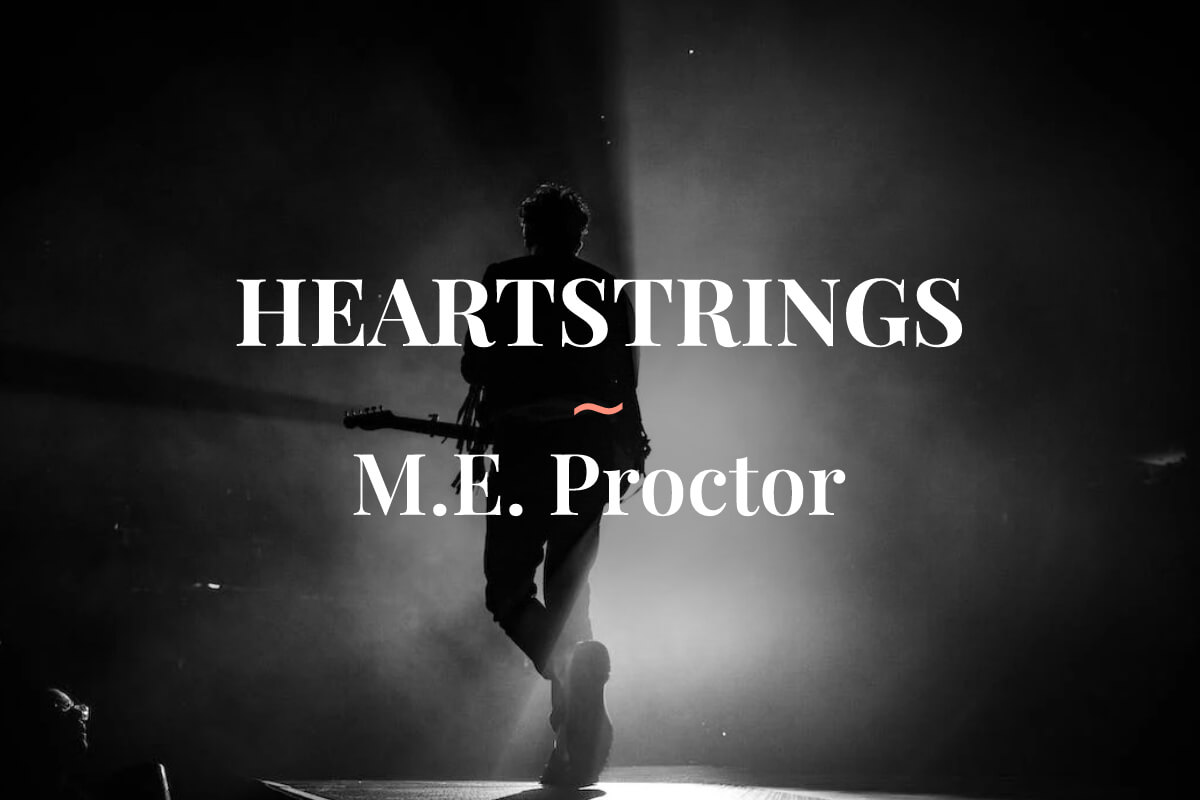
(about 1300 words)
“Give me a minute to set down my beer.”
They clapped, whistled, and hooted. The guitar player had a hold on the audience. His songs were all right, the banter between them was better. Max leaned against the back wall. He was tempted to go to the well-appointed bar in the foyer to get a drink, but he had a job to do. Most of the people around him held glasses and plastic cups that they put down on the floor when the urge to applaud came over them. It was a civilized venue, not one of these roadside watering holes where bottles and fists were likely to take flight and crash. The urbane, and urban, nature of the converted cinema presented difficulties.
The biggest drawback was the location on a busy city street. Shops and apartments sandwiched the place on both sides, and all were well-lit.
The stage door, in the back, was the best bet. Band vehicles were parked nearby. This wasn’t the Rolling Stones with their eighteen-wheelers and army of roadies. Max spotted a large RV, a van, and a couple of sedans. As soon as the concert wrapped up, people would start hauling away equipment, and there was no telling what belonged to the guitar player or which way he would go. He was the opening act. Maybe he would pack his instruments and walk out of the front door.
Max knew nothing about the guy or the nature of his transgression. His phone had pinged with a message. A picture, a name, Walter Cordy, and the address of the venue. With a terse note: It has to be done tonight.
That was unusual. Max’s assignments were never time-sensitive. He always had a couple of days to set things up, reconnoitre, prep. Some of his competitors believed in spur of the moment gigs, quick in-and-out. Max didn’t. He was uncomfortable with surprise, because surprise worked both ways. The constable cruising down the lane, the flower pot teetering on the third-floor balcony, the girlfriend throwing a tantrum. The unexpected was the bane of Max’s profession.
He wasn’t in the habit of discussing a mission. He was known for reliability. Point him at the target, relax, wait for the confirmation call, and close the file.
The guitar player tuned his instrument—why was he tuning the damn thing between each song? It must be a tic, a nervous habit—and launched into a sweet ballad of forlorn love, not Max’s favorite genre, he was more classic rock, but the dude had a pleasant voice.
Max watched the audience. They were a little older than the artist on stage who must be in his early thirties. The music wasn’t conducive to dancing but a few women were swaying on their feet. They looked like they wished the show was more upbeat. Max agreed.
He couldn’t help wondering what Walter Cordy, the mark, had done to deserve a contract. It couldn’t be money. Eliminating the debtor was no way to get the dough back. Unless it was a ton of cash and the aggrieved party had recovered it and needed to send a message. If Max’s target had been an accountant or banker type, a computer nerd or politico of whatever stripe, it would make sense. A grungy musician didn’t fit the bill. It had to be a personal revenge.
Max pulled out the small powerful binoculars he always carried in his jacket pocket and studied the guitar player. Good looking. Clean, long brown hair. A fashionable scruff. A respectable height on high-heeled cowboy boots. Tight jeans on a fit frame. Okay. Love trouble. Girl, wife possibly, or somebody close to Max’s client. It was conjecture, but the more Max examined the guy, the more he was convinced that was it. And he didn’t like it. Taking out screwy types didn’t bother him. People that should have known better, who got themselves in gnarly situations. A price had to be paid, all parties involved knew it, and he was the collector. No need to make any bones about it.
Now Max had another problem. If he walked away—he’d done it before, no harm no foul, a matter of unfavourable circumstances—somebody else would pick up the job.
Except, except … It has to be done tonight.
Because after tonight the window would close, or the damage would be done?
That warranted further examination.
Max walked out of the theatre and went around the block to watch the stage door.
He didn’t have long to wait.
A stripe of yellow light stabbed the gravel of the parking lot when the stage door opened. A hunched shape, dark against the mellow light, appeared. A man carrying heavy equipment. Walter Cordy. He stumbled and cursed.
“Need help?” Max said.
“Oh, hey, thanks. Glad they sent somebody out. I thought I’d have to haul it all by myself.” He chuckled. “Not that I have tons of stuff, mind you.”
“They helped you getting it inside?” Max carried an amp to a battered brown sedan.
“No, but that was okay. I was here early. Plenty of time. When you’re second fiddle, you get no respect, man.” He looked at Max. “But you know that, right? You work here.”
“You have more equipment?”
“A plastic crate. It’s next to the door.” Cordy was organizing the boxes in the back of the sedan. He had it down to an art, used to pack and unpack for gigs.
Max brought the box and deposited it by the car trunk.
“Thanks, man, I appreciate.” Cordy held out his hand.
Max looked at the outstretched hand. It was quiet in the back of the theatre. Faint music from the main act seeped through the stage door left ajar. It had a persistent beat. The women inside must be dancing. There was no traffic on the back street, no pedestrians, not even a stray cat. Contract-killing perfection.
“Who did you upset, buddy?” Max said. The gun with its long silencer poked at his spine. The thing was too cumbersome to fit in a shoulder holster. The discomfort hadn’t bothered him earlier on. Now that he was about to use it, it bugged him.
Cordy’s eyes widened. “Who are you?”
A touch of defiance, a bite. Max liked that. “I’m supposed to plug you, friend.” He reached for Cordy, clasped one hand on his throat, with his entire body slamming the guitar player against the side of the car. The gun with the silencer was out of the waistband, against Cordy’s ribs. It would be easy, painless in its suddenness and finality.
“Say something,” Max said. “Why?”
Cordy was rigid, bug-eyed, smelling of fear and piss. Max took one step back, avoiding contact. He was particular about body fluids. Something he had a hard time with. The gushing, from the living and the soon-to-be dead.
“Talk, tell me.” He squeezed Cordy’s neck, harder. “It’s important.” He felt the shiver that overrode the musician’s frantic heartbeat.
“Marco,” Cordy mumbled. “Waiting for me.” Tears ran down his face. “It isn’t right.”
Here it was again, that hint of revolt that pinched Max’s heart. “You love him?”
“What do you care? It’s his father, right? The stuck-up moron sent you.”
Real anger now. That was good, gutsy. To show rebellion with a hand on the windpipe, a gun near the heart, and a bladder that had emptied down a pant leg, that took stones. Max laughed and released the man who grabbed the side of the sedan. He was about to fall to his knees.
“You’re leaving tonight?” Max said.
Cordy shrugged. “Should have gone yesterday. Damn professional pride.”
“You don’t walk on a commitment,” Max said. He was going to. It was all right. He hadn’t cashed in yet. He screwed off the silencer. The length of that thing looked like a bad juvenile dick joke.
“Scoot,” he said. “You have a good voice. Could do with a drum box.”
.
THE END
M. E. Proctor Biography
M.E. Proctor is currently writing a series of contemporary detective novels. The first book STREET SONG comes out from TouchPoint Press in 2023. Her short stories have been published in Vautrin, Bristol Noir, Pulp Modern, Mystery Tribune, Reckon Review, Shotgun Honey and others. She lives in Livingston, Texas.
Twitter: @MEProctor3
website: www.shawmystery.com