
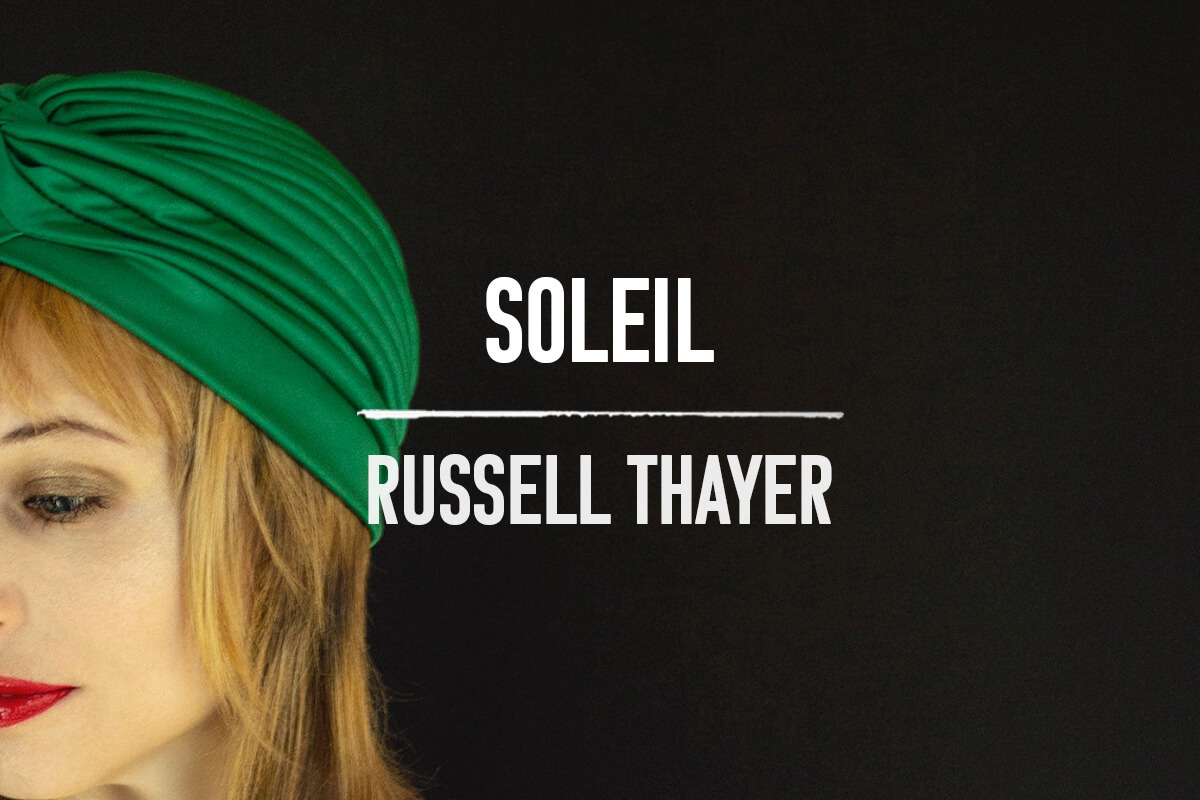
Full of life in a green turban and loose peasant blouse, she picked us up somewhere between Mimizan and Bayonne. I was 18 that Bicentennial summer abroad, bubbling with freedom and lust, and I remember thinking that by stopping for me and Wolfgang in her weathered red Citroën she had activated a film by Éric Rohmer. It was as if we were no more harmless than a pair of scruffy intellectuals primed for unrelenting conversation on the topics of life, love, and art.
From the rear bench seat, happy for the lift and excited for my turn in front, I studied the back of her turban, noting the loose strands of sun-bleached hair billowing around her shoulders. Then I settled toward the sea and closed my eyes to the brightness as we headed south on the desolate coast road. I never saw her face again.
The sun is what I remember most from those days on foot with Wolfgang as we thumbed our way through the Aquitaine, its persistent afternoon rule over the beach as we glided from village to village, finding our advantage where we could. Now it glowed crimson behind my eyelids as I leaned against my backpack, the car filled with sea breeze and the dogged whine of the engine.
I’d met Wolf while sleeping on the beach at Cannes. He’d been drifting for years. I’d been in Europe a week by then, absorbed with the film festival, struck by stars I’d seen on the promenade: Natalie Wood, Sylvia Kristel, Telly Savalas. Wolf’s restaurant work ended with the festival’s finish, and I was happy to join him in adventure as he pushed off toward the wild Atlantic. I had a return ticket to the States in four months. He seemed to have no idea of his own future.
We worked at odd jobs. He was full of survival stories, and I admired him on some level, thinking it might be nice to wander for a few years before starting college back home. Tough and handsome, he taught me how to make my way without unfolding the ragged packet of travellers checks I kept hidden in a zippered pocket. We sneaked onto trains, slipped out of restaurants without paying our bill. Once he stole a fat wallet from a drunken waiter in a bar and we ate well for a week. Mostly he lived off women, and at night on our plastic sheet, waves crashing in the blackness, he’d make his point with blue tales of lonely nurses or naive students who’d taken him in for months at a time, giving him money because he made them feel loved for a moment. Lonely nurses and naive students intrigued me, but I couldn’t imagine why he’d ever leave.
I awoke after tenacious sleep to glance up at the girl’s exotic turban. Instead, I saw Wolfgang’s thick blonde hair, the collar of his faded denim shirt. My eyes darted to the passenger seat, but she wasn’t there. I sat up, meeting Wolf’s gaze in the rearview mirror.
“Where is she?” I asked. “What have you done to her?”
“Who?” he answered, without inflection.
I dropped back against my pack, my hand on the pocket where I kept my knife. He’d taught me that, too.
After we came to rest at a gas station, I opened the door. While Wolfgang charmed the female station attendant, I took the straps of my backpack and yanked it out. He called after me as I walked toward a market where living people stood and watched. Eventually, the blood-red Citroën sped away in the afternoon sun.
I never went to the police. I never knew her real name.
“Who?” he’d answered, without inflection.
I’ll call her Soleil.
* * *
THE END
ABOUT THE AUTHOR
Russell Thayer’s work has appeared in The Phoenix, The Ignatian Literary Magazine, Cirque, Close to the Bone, Hawaii Pacific Review, Punk Noir, Pulp Modern, and Tough. He received his BA in English from the University of Washington and worked for decades at large printing companies. Russell currently lives in Missoula, Montana, with his wife of thirty-six years.